Most clothing brands are killed by their own first impression. Not by poor product quality, not by bad pricing, not by the wrong channels — but by looking unfinished at the moment it matters most. The internet makes that judgement in seconds, and it rarely revisits.
We worked recently with a client building a gym and streetwear brand from scratch. They had a clear sense of what they wanted to make. What they needed was everything around the product — the visual language that would make someone scroll past an image, stop, and think: "yeah, I'd actually wear that."
This is what that process looked like, and why it matters for any founder taking a clothing brand to market.
Your Logo Has to Work Harder Than You Think
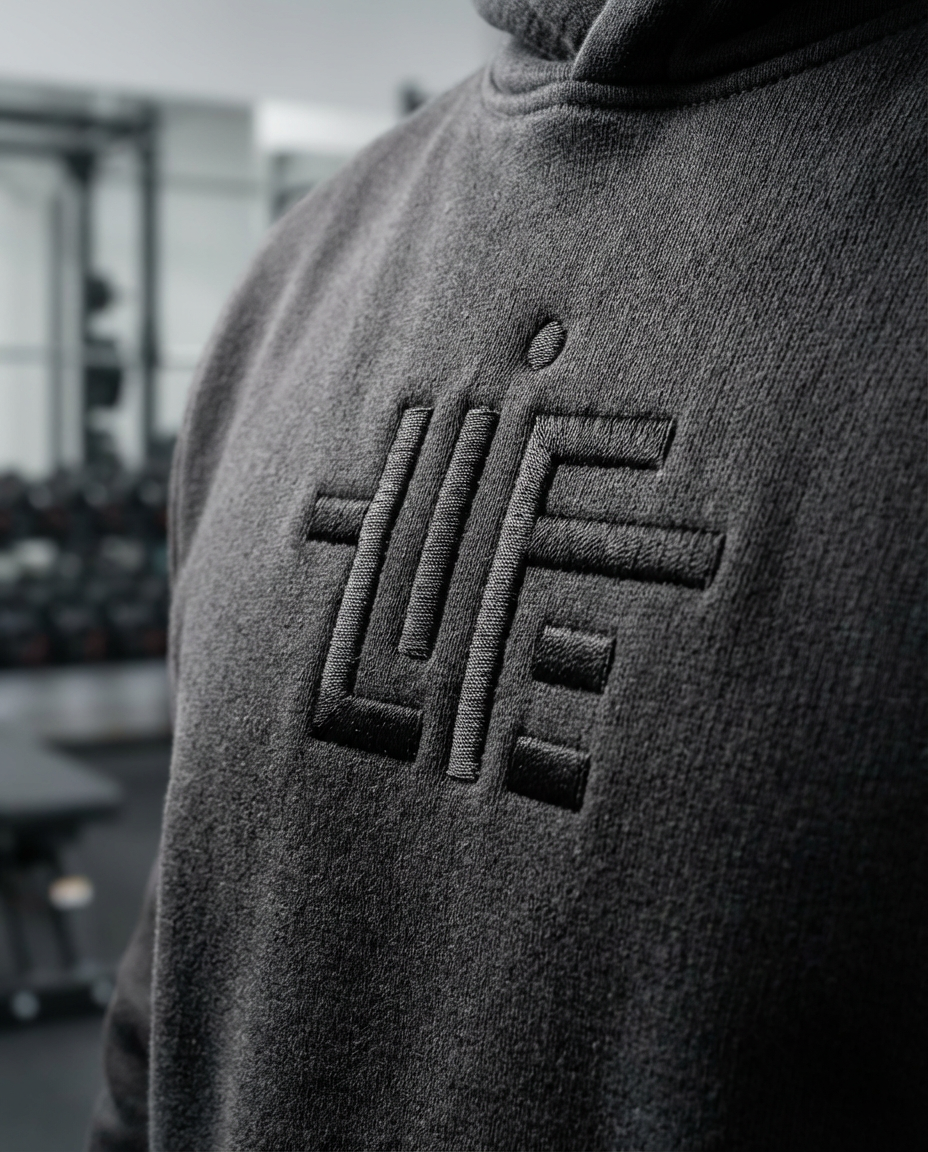
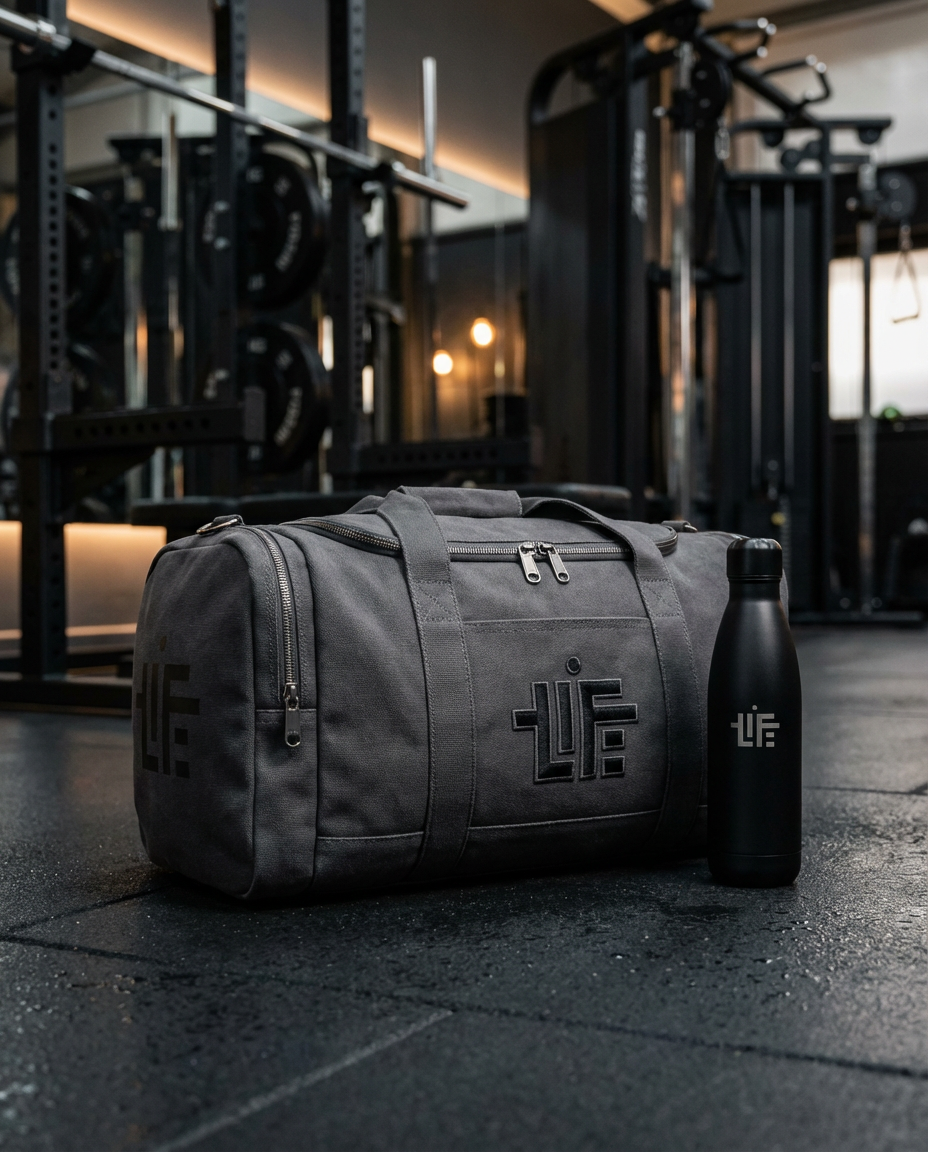
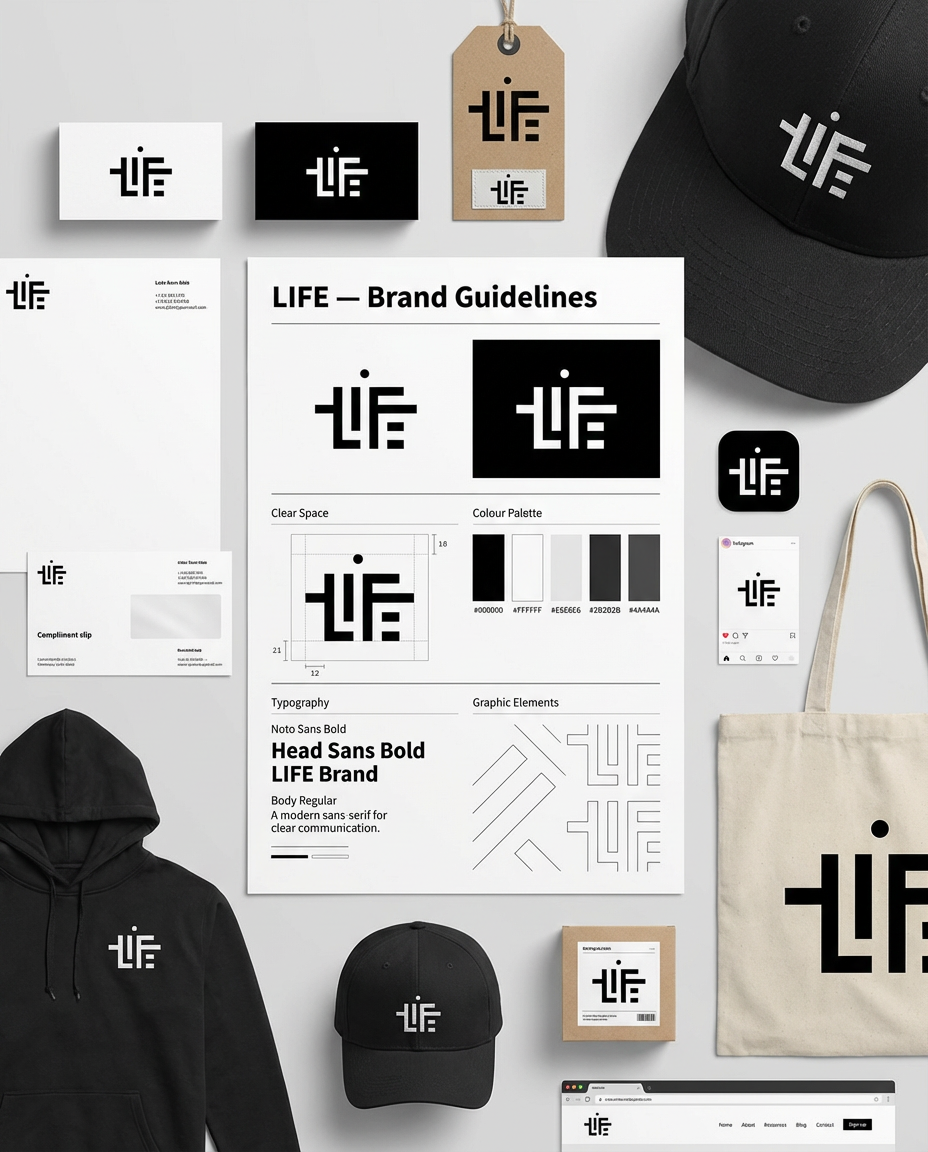
A logo for a clothing brand isn't just a mark on a website header. It has to live on a chest, a sleeve, a back panel. It has to work printed, tonal, and embroidered. It has to read well at the scale of a label and still hold its presence at the size of a full garment graphic.
With this project, we explored multiple logo options and placements before anything else. Embroidery imposes different rules to screen print — fine detail disappears, proportions shift, weight needs adjusting. A logo that looks elegant on a mood board can fall apart entirely on a fleece. Working through these constraints early means your first production run isn't also a learning run.
Mockups Are Doing Real Sales Work
Before physical samples exist, mockups are your product. They appear in your launch content, your ads, your DMs, your press outreach. If they look like a template someone found in five minutes, that is exactly the signal they send.
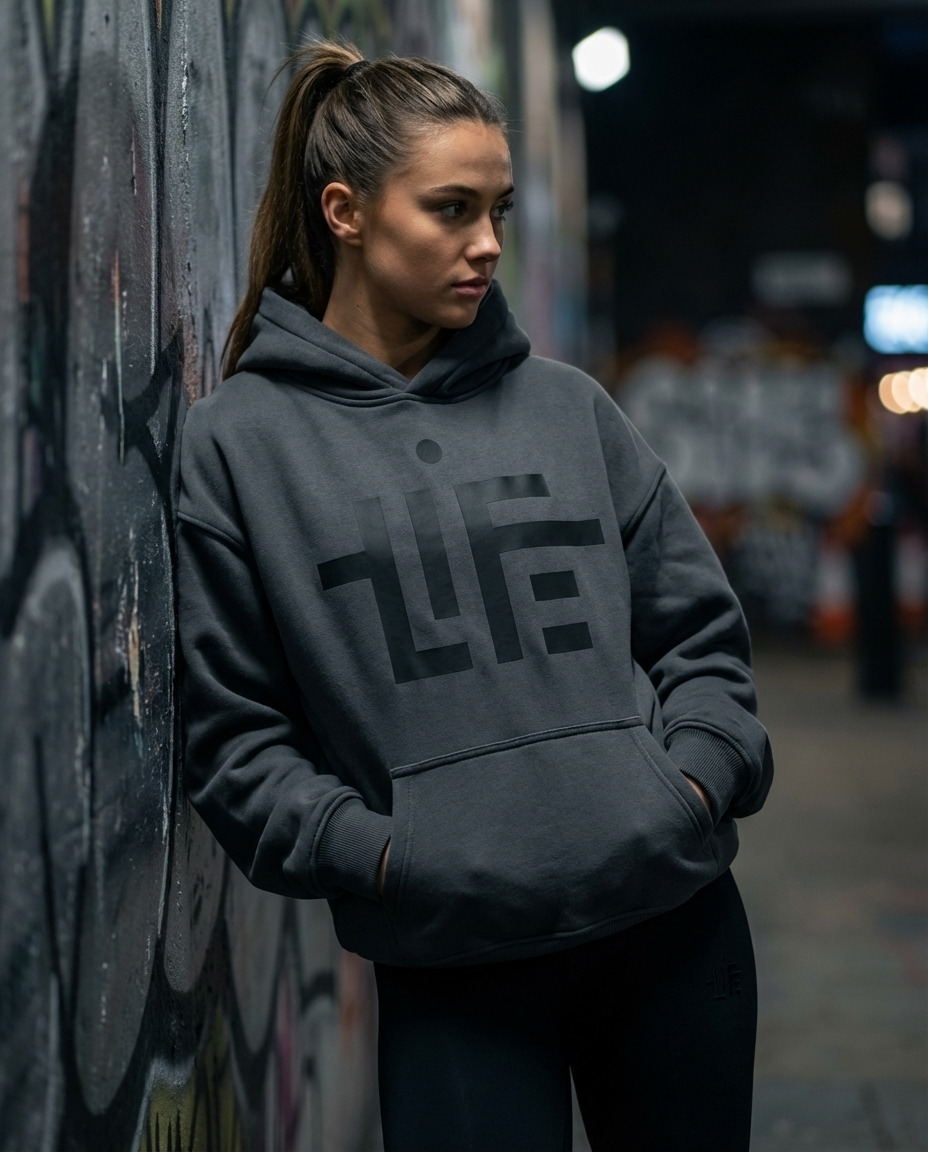
We produced realistic clothing mockups across the client's opening range — pieces that showed the garments in context, with accurate colour representation and proper placement. The goal was simple: when someone sees the range for the first time, it should look like a brand that already exists, not one that might.
The difference between a mockup that converts and one that does not is usually craft and specificity. Generic angles, flat lighting, and off-brand backgrounds quietly undermine everything else you have built.
Consistency Across a Range Is Not Automatic
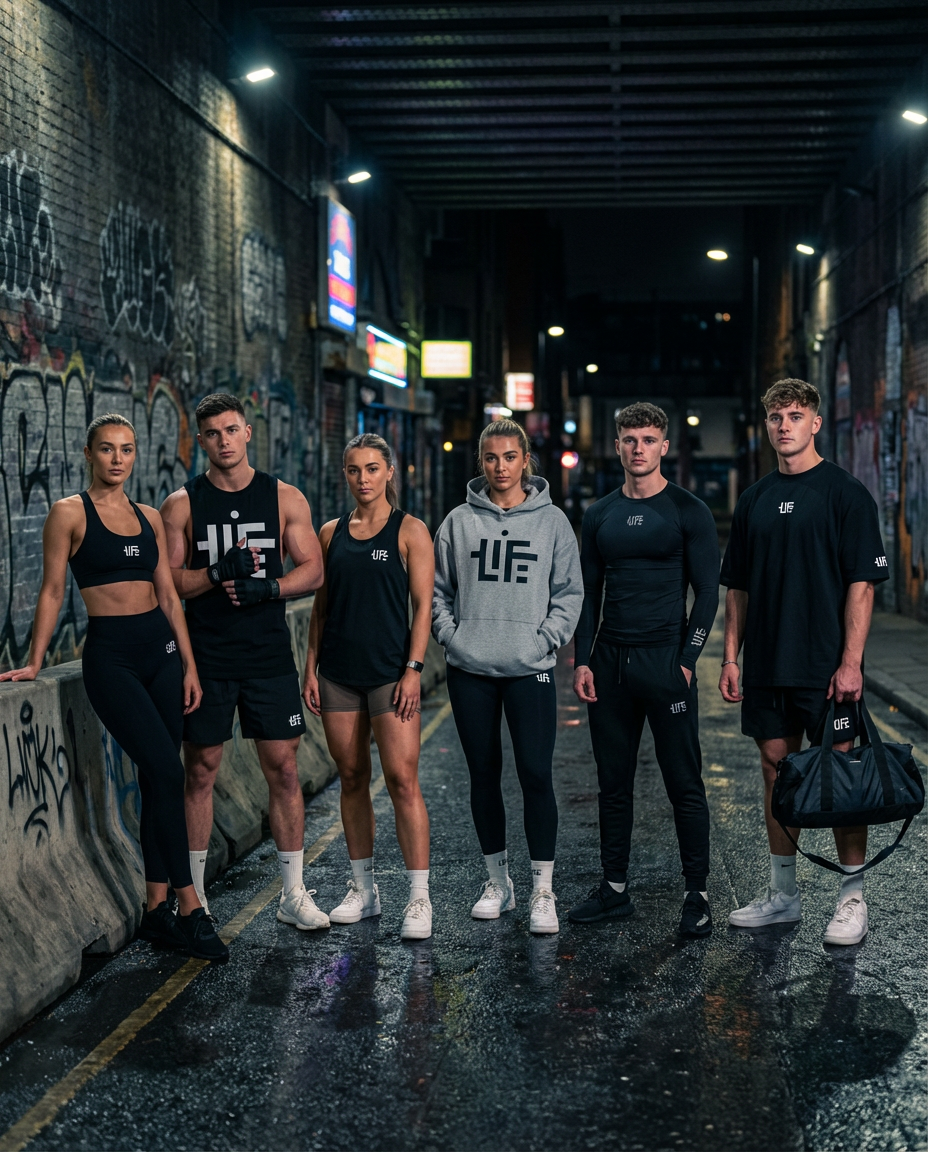
A clothing range is a collection, not a set of individual pieces. Every item has to sit within the same visual world — the same tonal palette, the same attitude, the same sense of who is wearing it and why. When a range feels disjointed, customers feel that dissonance even if they cannot name it. They move on.
For this project, a significant part of our work was tightening the overall look and feel so the pieces read as a coherent first drop. That means making deliberate choices about how logo treatments vary across the range, which colourways anchor it, and where the visual energy is concentrated. It is editorial thinking applied to product design.
Model Shoots Turn a Brand Into a Drop
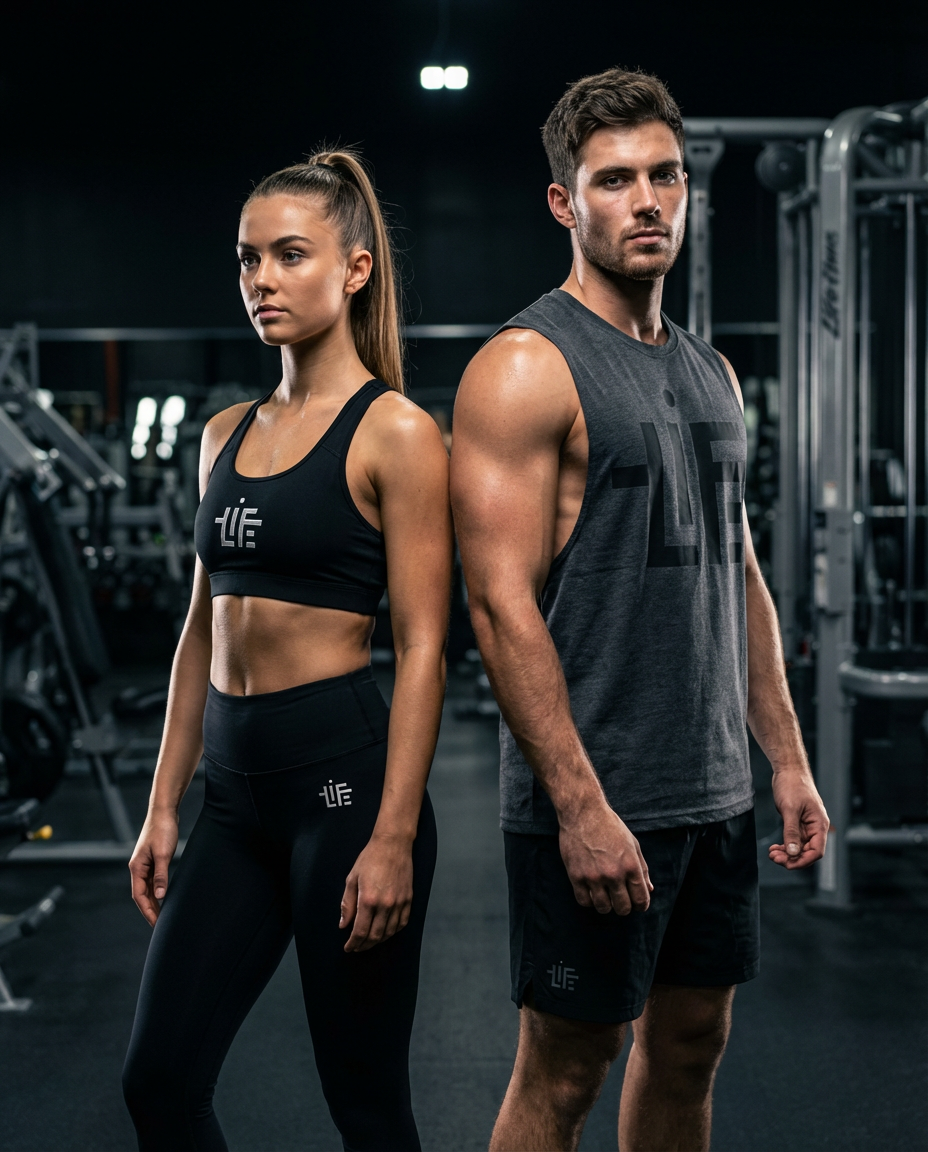
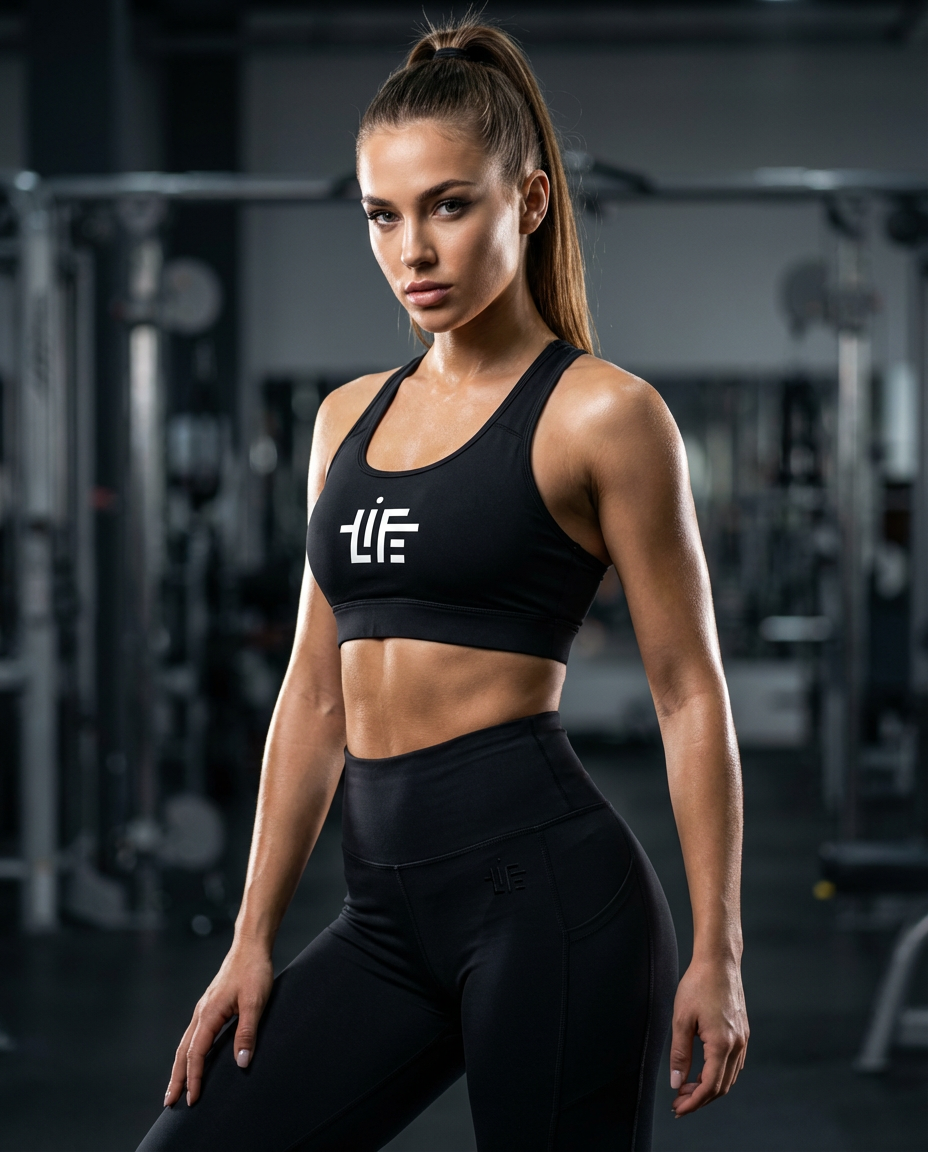
Final outputs using models are not a luxury for later. They are what separates a brand that looks ready from one that looks like it is still figuring things out.
We produced brand-ready imagery using models so the clothing could be presented the way any established label would present it — with context, styling, and the kind of visual confidence that makes people want in. A gym hoodie on a hanger tells you very little. The same hoodie on the right person, shot with intention, becomes something people reference when they place their order.
This matters even more for a first release, because you have no customer photography yet. You have no community content. Your own imagery has to carry the entire weight of the brand story until that changes.
The First Release Sets the Baseline
There is a temptation to treat a first release as provisional — to think you will sort the visuals properly once the brand has some traction. That logic is backwards. The first release is when you are making the case for traction. It is the moment that determines whether the brand has a second release worth talking about.
Looking premium, consistent, and ready to sell from launch is not about vanity. It is about giving the product a fair chance in a market where attention is scarce and opinions form fast.
If you are building a clothing brand and want the visual foundation done properly from the start, take a look at our branding and creative services or get in touch to talk through the project.